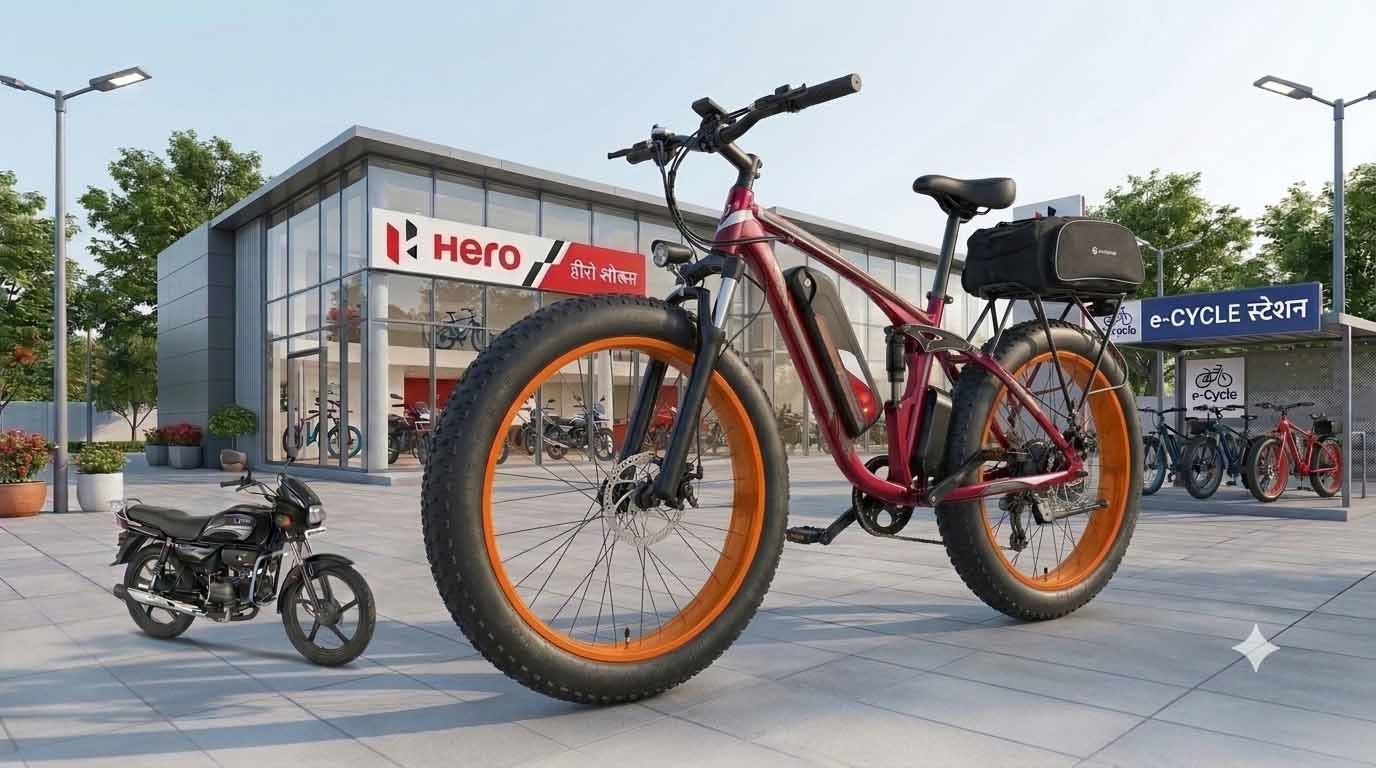
Electric cycles are becoming an attractive transportation option for students, commuters and people who want an affordable way to travel short distances. They combine bicycle-style movement with an electric motor that can assist riders while travelling. Depending on the model, an electric cycle may help reduce daily travel expenses and make commuting more convenient.
Many people search online for an Electric Cycle Offer 2026 or a free electric cycle scheme. However, it is important to understand that a private company discount, a state government bicycle distribution programme and an electric vehicle subsidy are different types of assistance. Their eligibility conditions and benefits are not the same.
There is no verified nationwide government programme that guarantees a free electric cycle to every Indian citizen. Applicants should check the latest official announcements before submitting an application. This article explains possible offers, eligibility requirements, required documents and safe ways to verify a genuine programme.
What Is an Electric Cycle Offer?
An electric cycle offer is a discount, subsidy or other benefit associated with purchasing an electric bicycle. The exact offer depends on the seller, manufacturer, government policy or organisation providing the assistance.
A private seller may offer a seasonal discount, reduced accessories cost or an instalment payment option. A government programme, where available, may provide a qualifying subsidy or support a particular beneficiary group under specified conditions.
Some programmes distribute ordinary bicycles rather than electric cycles. Therefore, applicants should read the scheme description carefully instead of assuming that every cycle distribution programme covers battery-powered models.
Before considering an offer, confirm the provider, eligible models, purchase conditions, offer period and final payable price.
Main Objectives of Electric Cycle Assistance
Electric cycle assistance and related mobility programmes may aim to improve access to transportation and encourage more sustainable travel.
The potential objectives include:
- Helping eligible people access affordable transportation.
- Encouraging students to travel to educational institutions.
- Supporting convenient short-distance commuting.
- Promoting awareness of electric mobility.
- Reducing dependence on motor vehicles for suitable short journeys.
- Supporting eligible groups through approved mobility assistance programmes.
These objectives do not mean that every applicant will receive financial support. Actual benefits depend on the rules of the programme.
Electric Cycle Offer Eligibility Criteria
Eligibility varies according to the specific offer or scheme. There is no single set of eligibility rules that applies to every electric cycle programme.
1. Residential Requirements
A state government programme may require applicants to be residents of that state. Applicants might need to provide a domicile or other accepted residence document.
2. Student Status
Some cycle distribution programmes focus on students attending eligible schools or colleges. The scheme may specify a particular class, course, institution or distance from home to school.
3. Age Requirements
The applicant may need to meet the age requirements set by the scheme or seller. Vehicle-related legal requirements must also be followed when choosing and using an electric cycle.
4. Income or Category Conditions
A programme may include income limits, social-category requirements or other beneficiary conditions. These requirements apply only when stated in the official guidelines.
5. Previous Benefits
Some assistance programmes may restrict repeat benefits for applicants who have already received similar support.
6. Product Eligibility
If the offer involves an electric vehicle subsidy, the specific electric cycle model may need to meet technical and policy requirements. Not every model automatically qualifies.
Applicants should check all conditions in the latest official notification before assuming they are eligible.
Documents Required for an Electric Cycle Scheme
The document list depends on the programme and its application process. The following documents may be requested where relevant:
Identity proof: An accepted identity document may be needed to verify the applicant’s details.
Residence proof: A domicile certificate or other accepted document may be required for state-specific assistance.
Student identity card: Student-focused programmes may request a school or college identity card.
Educational certificate: Admission details, enrolment records or a certificate from the institution may be required.
Income certificate: This is needed only when income verification forms part of the eligibility conditions.
Bank account details: Some financial assistance programmes may require verified bank details to transfer an approved benefit.
Photograph: A recent photograph may be required for the application form.
Other supporting records: Caste certificates, previous academic records or other documents may be requested where applicable.
Do not assume every scheme requires all these documents. Follow the official checklist and avoid uploading sensitive information to unverified websites.
How to Check an Electric Cycle Scheme Online
The safest way to find a genuine government scheme is to start with an official government portal.
Step 1: Visit the Government Scheme Portal
Visit myScheme.gov.in, a government platform for discovering schemes based on personal circumstances and eligibility.
Step 2: Select Your State and Relevant Details
Enter the information requested by the portal. Depending on the available search options, you may be able to explore schemes relevant to your state, age, education or beneficiary category.
Step 3: Read the Scheme Information
Check the scheme’s objective, eligibility criteria, benefits, required documents and application method. Confirm whether the scheme is currently available.
Step 4: Open the Official Department Website
If the scheme provides a link to a responsible department, use that official source to confirm the latest instructions.
Step 5: Confirm the Application Method
Some schemes use online forms, while others require applications through schools, colleges or district offices. Follow the procedure specified for that scheme.
Step 6: Keep the Acknowledgement
If an official application generates an acknowledgement or reference number, save it securely for future enquiries.
An online search result alone does not establish that a scheme is active or that an applicant will receive an electric cycle.
Government Cycle Distribution Programmes
Some government programmes provide bicycle-related assistance to specific groups, particularly students. However, the type of bicycle, eligible beneficiaries and benefit amount depend on the individual scheme.
For example, the Madhya Pradesh Cycle Distribution Scheme listed on the myScheme portal is intended for eligible Scheduled Tribe girl students in Class 11 who meet the scheme’s conditions, including a specified distance to school and not having received a bicycle in Class 9. The listed benefit is financial assistance equivalent to the cost of a bicycle, subject to the programme’s rules.
This example illustrates why applicants must read the exact scheme details. A programme that provides assistance for an ordinary bicycle should not automatically be described as a free electric cycle offer.
You can review the scheme information at myScheme — Cycle Distribution Scheme.
Electric Vehicle Subsidies and Electric Cycles
Electric vehicle policies may offer incentives for eligible vehicles, but the vehicle categories covered can differ from one policy to another.
For example, the Government of India’s PM E-DRIVE scheme has provided demand incentives for specified electric vehicle categories, including qualifying electric two-wheelers. However, an electric cycle should not automatically be treated as an eligible electric two-wheeler under a particular subsidy programme.
Before purchasing an electric cycle expecting government assistance, verify whether the exact vehicle category and model qualify under the relevant policy. Check the current validity period, incentive availability and purchase requirements with the responsible authority or authorised seller.
Benefits of Buying an Electric Cycle
Even when a buyer does not qualify for a government scheme, an electric cycle may provide practical benefits.
Convenient Short-Distance Travel
Electric assistance can make some journeys easier, especially when travelling moderate distances or navigating routes with gentle inclines.
Potential Travel Savings
An electric cycle may have lower running costs than some motor vehicles. Actual savings depend on electricity costs, charging frequency, maintenance, purchase price and the alternative transport being replaced.
Flexible Everyday Use
Electric cycles may be useful for commuting, local errands and other suitable journeys. Buyers should consider the terrain, distance, storage space and charging arrangements before choosing a model.
Different Models and Features
Available models may vary in battery capacity, motor assistance, riding range, charging time, frame design and weight. Compare the manufacturer’s specifications and warranty terms before purchasing.
Environmental Considerations
Electric cycles do not produce tailpipe emissions while being ridden using electric assistance. Their overall environmental impact also depends on electricity generation, battery production and battery disposal.
How to Compare Electric Cycle Offers
Before purchasing an electric cycle, compare the complete cost rather than focusing only on a discount advertisement.
Check the original price, final selling price, battery warranty, motor warranty, service availability and replacement battery costs. Ask whether the quoted price includes a charger and any accessories.
Check the manufacturer’s stated riding range and understand that actual range can vary with rider weight, terrain, temperature, battery condition and the level of electric assistance.
If instalment payments are offered, read the finance terms, including interest, fees, repayment period and total amount payable. Do not assume that an advertised monthly payment is interest-free.
Request a written quotation and retain the receipt and warranty documents after purchase.
How to Avoid Fake Free Electric Cycle Offers
Online posts sometimes claim that the government is giving free electric cycles to all students or citizens. Such claims may be misleading.
In February 2026, a fact-check reported that a viral video claiming a nationwide free electric cycle scheme was fake and AI-generated. The government also refuted a fabricated video claiming that free electric bicycles had been announced for children.
Read the relevant fact-check and government clarification before trusting similar claims:
- The Quint fact-check on free electric cycle claims
- Akashvani News report on the fake free electric bicycle announcement
Avoid websites that demand unexpected registration payments, promise guaranteed selection or request OTPs and banking passwords. Do not upload identity documents unless you have confirmed that the website belongs to the authorised department or provider.
Frequently Asked Questions
1. Is a free electric cycle available to every Indian citizen?
No nationwide government programme guaranteeing a free electric cycle to every citizen has been verified. Eligibility and benefits depend on specific schemes and offers.
2. Who can apply for an electric cycle scheme?
The eligible group depends on the programme. Some schemes may target students or particular beneficiary categories, while private offers may be open to customers who meet the seller’s terms.
3. Which documents are required?
Identity, residence and educational documents may be requested, along with other records specified by the scheme. Always check the official document list.
4. How can I check whether an offer is genuine?
Check the responsible department’s official website or use the government scheme discovery portal at myscheme.gov.in. Confirm the scheme’s current status before applying.
5. Does every electric cycle qualify for a subsidy?
No. A subsidy may apply only to specified vehicle categories or eligible models. Verify the current policy and technical conditions.
6. Can I purchase an electric cycle through instalments?
Some sellers and finance providers may offer instalment options. Review the interest rate, fees and total repayment amount before agreeing to finance.
Conclusion
An Electric Cycle Offer 2026 may refer to a private discount, an eligible vehicle incentive or a specific government assistance programme. The benefits and application conditions depend on the offer, and not every programme provides a free electric cycle.
Applicants should verify the scheme through official sources, check eligibility, prepare only the required documents and follow the authorised application process. Buyers should also compare electric cycle specifications, warranty coverage, maintenance costs and the final purchase price.
Most importantly, do not rely on viral messages promising a free electric cycle for everyone. Checking official information before sharing personal details can help you avoid misleading offers and make a more informed decision.
Disclaimer: This article is for general informational purposes. Scheme availability, eligibility and incentives may change. Confirm the current rules with the relevant government department or authorised seller before applying or making a purchase.